Gas Line Repair & Inspection in Glendale, Queens
Certified gas piping diagnostics, appliance hookups, pressure testing, and NYC compliance.
CRITICAL GAS SAFETY WARNING
If you smell the distinctive rotten-egg odor of natural gas, hear hissing near gas pipes, or suspect an active gas leak, DO NOT use matches, operate light switches, use telephones, or attempt to investigate the piping yourself. Immediately evacuate all occupants from the building and call 911 or National Grid from a safe location outdoors. Our telephone number is for scheduled diagnostics and non-emergency repair work, never as a substitute for 911 or utility emergency response.
Natural gas supplies the fuel needed for heating boilers, water heaters, and cooking ranges across Glendale. Ensuring the structural integrity and gas-tightness of supply piping is essential for life safety. When property owners require professional gas line repair Glendale Queens services, our licensed professionals perform meticulous diagnostic pressure testing and code-compliant repairs adhering strictly to New York City Department of Buildings and Fuel Gas Code requirements.
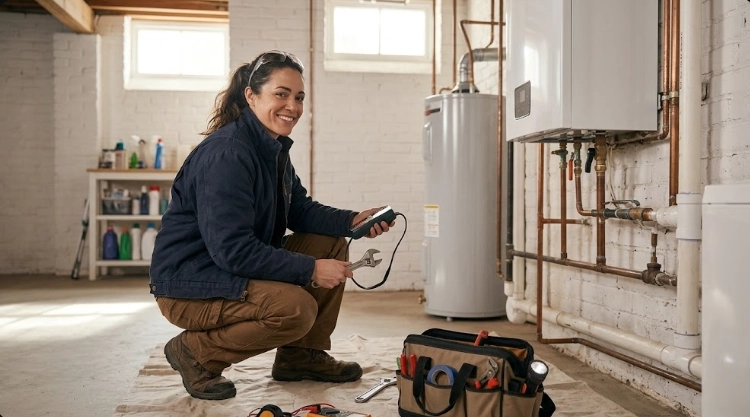
Comprehensive Gas Piping Inspections & Testing
In historic Queens attached homes and detached dwellings, gas piping is predominantly constructed of threaded black iron pipe. Over decades, basement dampness can cause exterior surface rust, building settling can stress joints, and old shut-off valves can leak. A thorough gas piping inspection Glendale Queens involves:
- Combustible Gas Sniffer Detection: Utilizing calibrated electronic combustible gas detectors to identify minute methane leaks along meter banks, headers, and branch lines.
- High-Sensitivity Pressure Testing: Disconnecting appliances, capping lines, and introducing calibrated air pressure to ensure piping holds steady without minute pressure decay.
- Pipe Support & Corrosion Assessment: Checking that pipe hangers are securely anchored and pipe walls are free from severe exfoliated rust.
- Appliance Shut-Off Upgrades: Replacing outdated ground-key cock valves with modern quarter-turn ball valves rated for gas service.
Gas Line Installation for Stoves & Ranges
Renovating a kitchen or upgrading to a high-BTU gas range requires properly sized fuel delivery. Professional gas line installation for stove Glendale Queens homes must account for total connected load. Sizing must ensure adequate volume (CFH) without causing pressure drops that affect water heaters or central boilers. Flexible stainless steel appliance connectors must be newly installed, code-certified, and never reused.
NYC Local Law 152 Compliance Requirements
New York City Local Law 152 of 2016 mandates periodic inspections of exposed gas piping systems in buildings classified under occupancy groups other than R-3 (which generally exempts 1- and 2-family homes). Multi-family residential buildings with three or more units in Community District 5 (which encompasses Glendale, Ridgewood, and Middle Village) must have their gas piping inspected once every four years by a licensed master plumber. We assist building owners with comprehensive inspections, filing GPS1 certification forms, and performing any required corrective repairs.
Cost Factors and Licensed Professional Mandates
Under New York City administrative code, all gas piping work—including repairs, extensions, and appliance connections—must be performed by or under the direct supervision of an appropriately licensed master plumber. Cost factors include the length of piping to be replaced, accessibility inside finished plaster walls or crawlspaces, pressure test requirements, and DOB filing fees.
Learn how your gas piping powers central heating equipment on our boiler repair homepage or review water heater repair services.
Frequently Asked Questions
Important answers regarding gas piping safety and inspections in Glendale, Queens.
Evacuate the building immediately. Do not operate light switches, phones, doorbells, or anything electrical. Once outdoors and a safe distance away, call 911 or National Grid's emergency hotline immediately. Do not attempt DIY troubleshooting.
Local Law 152 mandates periodic gas piping inspections for buildings classified in occupancy groups other than R-3 (which generally exempts 1- and 2-family homes). Multi-family residential buildings with 3 or more units must have their exposed gas piping inspected once every four years by a licensed master plumber.
No. Under NYC Fuel Gas Code, all gas piping installations, modifications, and range hookups must be performed by or under the direct supervision of an appropriately licensed master plumber, complete with DOB permits and pressure testing.
The gas supply is isolated at the meter, and the piping is pressurized with air or inert gas using a calibrated test gauge (typically 3 PSI for standard residential lines). The gauge must hold pressure steadily for a specified duration without dropping to confirm zero leaks.